
Quick Ideas to Brighten a Dark Room Effortlessly
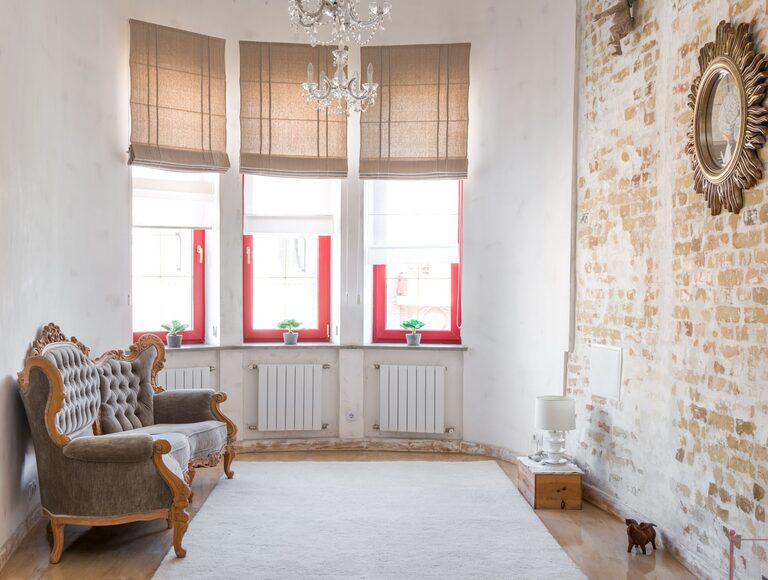
A dark room can feel small, cramped, and less inviting. Whether it’s a living room, bedroom, or office, brightening up a dark space can make a huge difference in mood and functionality. Fortunately, you don’t need to undertake a major renovation to bring more light and life to your room. There are many quick, affordable, and creative ideas you can use to brighten a dark room and create a welcoming atmosphere.
Understand the Cause of Darkness
Before making changes, it’s helpful to understand why your room feels dark. Common reasons include:
– Limited natural light due to small or shaded windows
– Dark wall colors or furniture absorbing light
– Heavy curtains or blinds blocking sunlight
– Clutter that absorbs light and creates shadows
– Lack of proper artificial lighting
Once you identify the main causes, you can choose the best solutions to brighten your room effectively.
Maximize Natural Light
Clean Your Windows and Remove Obstructions
Dirty or smudged windows reduce the amount of sunlight entering your room. Regularly cleaning windows inside and out can significantly improve brightness.
Additionally, trim any bushes or trees blocking sunlight. If possible, keep window areas clear of bulky furniture or heavy drapes.
Choose Light Window Treatments
Opt for sheer or light-colored curtains that allow natural light to flow through. Avoid thick, dark fabrics that absorb sunlight.
If privacy is a concern, consider installing blinds that can be adjusted to let light in without compromising privacy.
Use Light and Reflective Colors
Paint with Light Shades
Walls painted in light colors such as whites, creams, pastels, or soft grays reflect more light, making the room appear brighter.
Avoid deep, dark tones on large surfaces as they absorb light and contribute to a gloomy feeling.
Incorporate Reflective Surfaces
Mirrors are a powerful tool for brightening a room. Position a large mirror opposite or near a window to reflect natural light around the room.
Glossy finishes on furniture, metallic décor, and glass surfaces also help bounce light and add brightness.
Improve Artificial Lighting
Layer Your Lighting
Use multiple light sources rather than relying on a single overhead fixture. Combine ambient lighting (ceiling lights), task lighting (reading lamps), and accent lighting (spotlights or string lights) to create a well-lit space.
Choose Bright, Warm Bulbs
Select LED bulbs with a high lumen count and warm color temperature (2700K to 3000K) to simulate natural daylight and create a cozy atmosphere.
Dimmable lights allow you to adjust brightness depending on the time of day or activity.
Add Floor and Table Lamps
Place lamps strategically in dark corners or near seating areas. They not only provide additional light but also add style and warmth to your room.
Declutter and Organize
A cluttered room can feel heavy and dark. Keep surfaces clear and organized to allow light to travel unimpeded.
Use storage solutions like baskets, shelves, or ottomans with hidden storage to keep things tidy and reduce visual clutter.
Choose Light Furniture and Fabrics
Opt for Light-Colored Furniture
Furniture in white, beige, light wood, or pastel shades reflects light better than dark woods or black materials. If replacing furniture isn’t an option, try slipcovers or throws in light colors.
Use Light Fabrics for Upholstery and Rugs
Light-colored cushions, curtains, and rugs help brighten your room visually. Choose fabrics with subtle patterns or soft textures to add interest without darkening the space.
Add Greenery and Natural Elements
Plants can brighten any room by adding life and color. Select plants with bright green leaves or variegated patterns to catch light.
Place them near windows or under artificial light. Reflective pots in ceramic or metallic finishes can amplify the light effect.
Utilize Wall Art and Accessories
Brighten walls with colorful or light-themed artwork. Large prints or canvases in bright, uplifting colors can enhance the space.
Avoid heavy frames or dark artwork that can pull down the room’s brightness.
Light-colored or metallic accessories like vases, lamps, and picture frames also contribute to a lively atmosphere.
Use Rugs to Define and Brighten Areas
A light-colored rug can brighten the floor and define seating or activity areas. Choose rugs with subtle patterns and colors that complement your wall and furniture tones.
Avoid dark or heavily patterned rugs that absorb light and clutter the visual space.
Reflect Light with Ceiling and Floor Options
Light-Colored Ceilings
Painting your ceiling white or a very light shade helps reflect light downwards. Avoid dark colors on ceilings as they absorb light.
Use Light Flooring
If possible, select light wood, laminate, or tile flooring. Light floors have a brightening effect similar to walls and ceilings. For existing dark floors, large light rugs can balance the look.
Final Tips and Tricks
– Rearrange furniture closer to windows to maximize light access.
– Keep doors open between rooms to allow light to flow.
– Use glass or acrylic furniture pieces that let light pass through.
– Add a skylight if possible for a long-term natural light solution.
– Consider installing light tubes or solar tubes for rooms without windows.
—
Brightening a dark room can be a fun and rewarding project. By combining simple changes in lighting, color, furniture, and décor, you can transform a gloomy space into a bright, cheerful, and inviting room — all without major renovations. Start with small steps like adding a mirror or changing your curtains, and watch your room fill with light.