
Simple and Effective Ways to Reduce Food Waste at Home
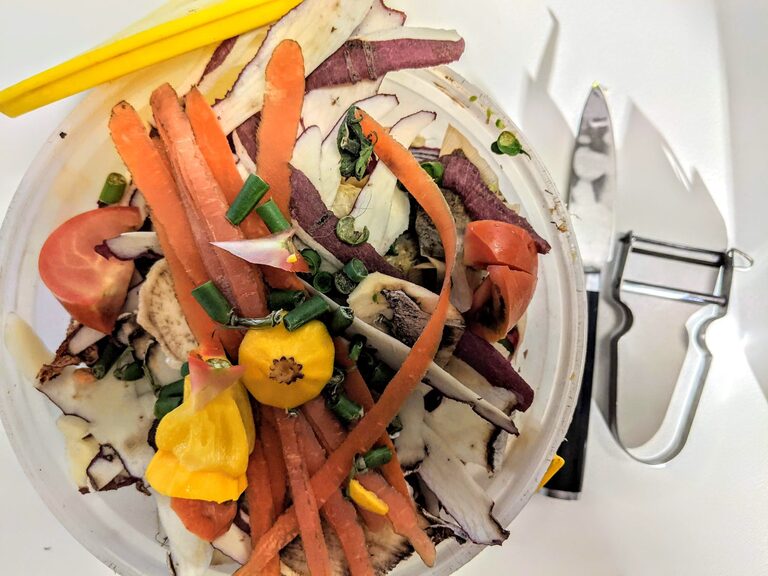
Reducing food waste at home is a small change that can make a big difference for your wallet and the planet. Every year, tons of edible food end up in the trash, which not only wastes the resources used to produce it but also contributes to greenhouse gas emissions. Fortunately, there are many simple and effective ways to minimize food waste right in your own kitchen. In this post, we’ll explore practical tips for planning, storing, cooking, and using leftovers to help you waste less food and enjoy more of what you buy.
Why Reducing Food Waste Matters
Food waste impacts the environment in several ways. It wastes water, energy, and labor that go into growing, harvesting, transporting, and packaging food. When food ends up in landfills, it produces methane, a potent greenhouse gas. On a personal level, wasting food means wasting money on groceries that don’t get eaten. By reducing food waste, you can save money, support sustainability, and develop healthier eating habits.
Plan Your Meals and Shopping Wisely
One of the best ways to cut food waste is to shop and cook with intention.
Make a Meal Plan
Before you shop, decide what meals you’ll prepare for the week. Consider ingredients you already have to avoid duplicates. Planning helps you buy only what you need, reducing the chance of food going bad before use.
Create a Shopping List
Stick to your list while shopping to avoid impulse buys that might not get eaten. Try to focus on versatile ingredients that can be used in multiple dishes.
Shop Smart
Buy loose fruits and vegetables instead of pre-packaged ones so you can select the exact quantity. Check expiration dates and freshness carefully, and don’t hesitate to buy “imperfect” produce, which often costs less and tastes just as good.
Store Food Properly to Extend Freshness
Proper storage can keep your food fresh longer, preventing spoilage.
Understand Your Refrigerator Zones
Store foods in the right places: keep meat and dairy in the coldest parts, fruits and vegetables in drawers designed for them, and bread at room temperature or frozen.
Use Airtight Containers
Transfer leftovers and opened packages to airtight containers to reduce exposure to air and moisture.
Freeze Extras
If you can’t eat leftovers soon, freeze them. Many foods freeze well and can be thawed later for a quick meal.
Cook Smart and Use Leftovers Creatively
How you cook and use leftovers plays a big role in minimizing waste.
Batch Cooking
Prepare larger portions and save extras for another meal. This saves time and reduces the chance of buying extra ingredients.
Repurpose Leftovers
Get creative with leftovers by turning them into soups, salads, wraps, or casseroles. For example, roast vegetables can become a hearty soup base, or stale bread can be used for croutons or breadcrumbs.
Use All Edible Parts
Many vegetable scraps like stems, leaves, and peels can be used in stocks, sauces, or smoothies instead of being tossed.
Manage Perishables and Expiration Dates
Keeping track of what you have is essential to prevent food from spoiling unnoticed.
First In, First Out (FIFO)
Organize your pantry and fridge so older items get used first. Place new purchases behind older ones.
Check Dates Carefully
Understand the difference between “best by,” “sell by,” and “use by” dates. Many foods are still safe to eat after the “best by” date but check for signs of spoilage.
Compost What You Can’t Use
Even with the best efforts, some food scraps are unavoidable. Composting is a sustainable way to handle these leftovers.
Start a Compost Bin
Create a compost bin in your backyard or use a countertop compost container for kitchen scraps like fruit peels, coffee grounds, and eggshells.
Learn What Can Be Composted
Avoid composting meat, dairy, and oily foods that can attract pests. Stick to plant-based scraps.
Use Compost in Your Garden
Compost enriches soil and reduces the need for chemical fertilizers, closing the loop on food waste.
Educate and Involve Your Household
Reducing food waste works best when everyone in your home participates.
Share Tips and Responsibilities
Discuss food waste habits with family or roommates and encourage everyone to take part in meal planning, cooking, and cleanup.
Teach Kids About Food Waste
Help children understand the value of food and involve them in simple tasks like sorting compost or planning meals.
—
By taking these steps, you can significantly reduce food waste in your home. Not only will you save money, but you’ll also contribute to a more sustainable future. Start small, try different strategies, and find what works best for your lifestyle. Every bit helps when it comes to making a positive impact!